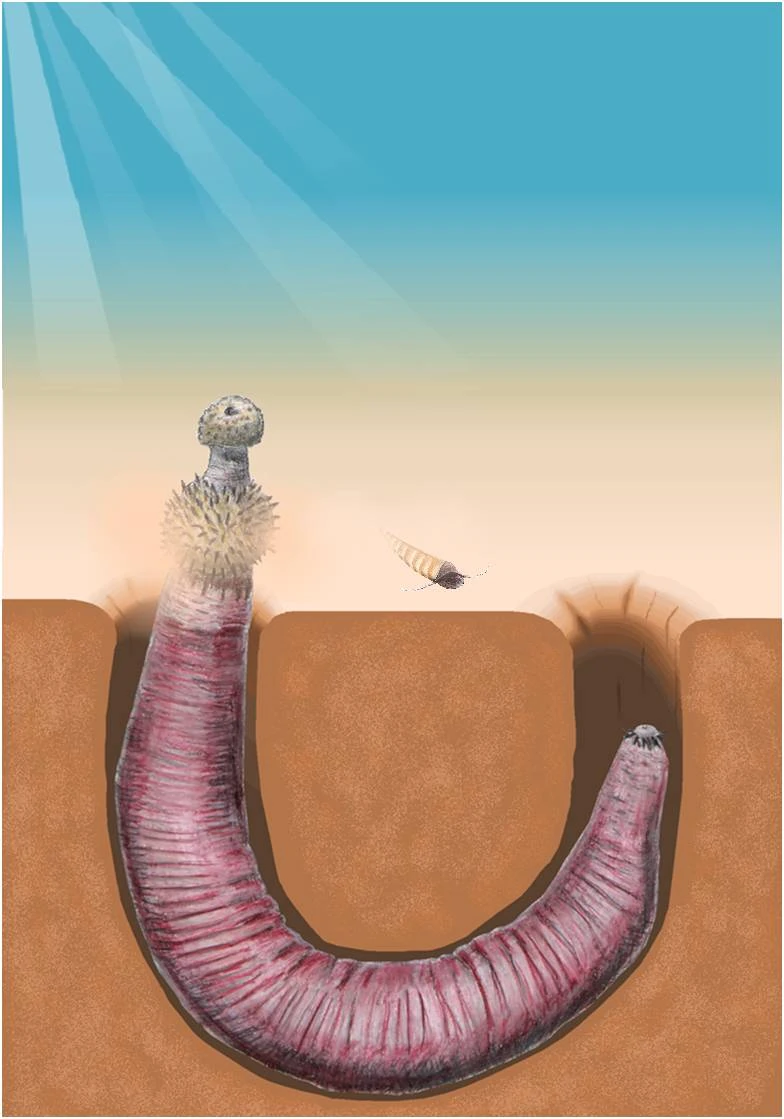


Description
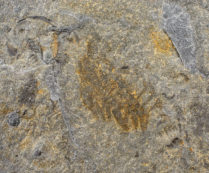
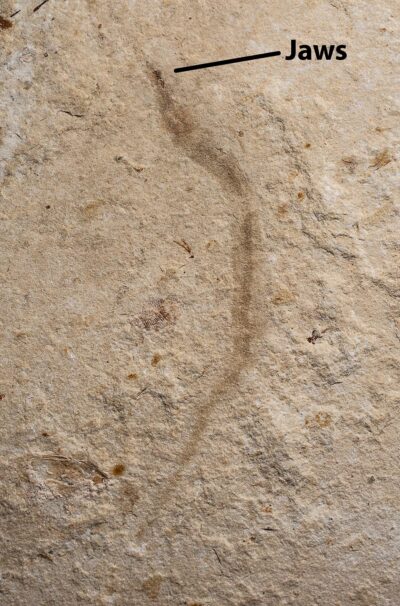
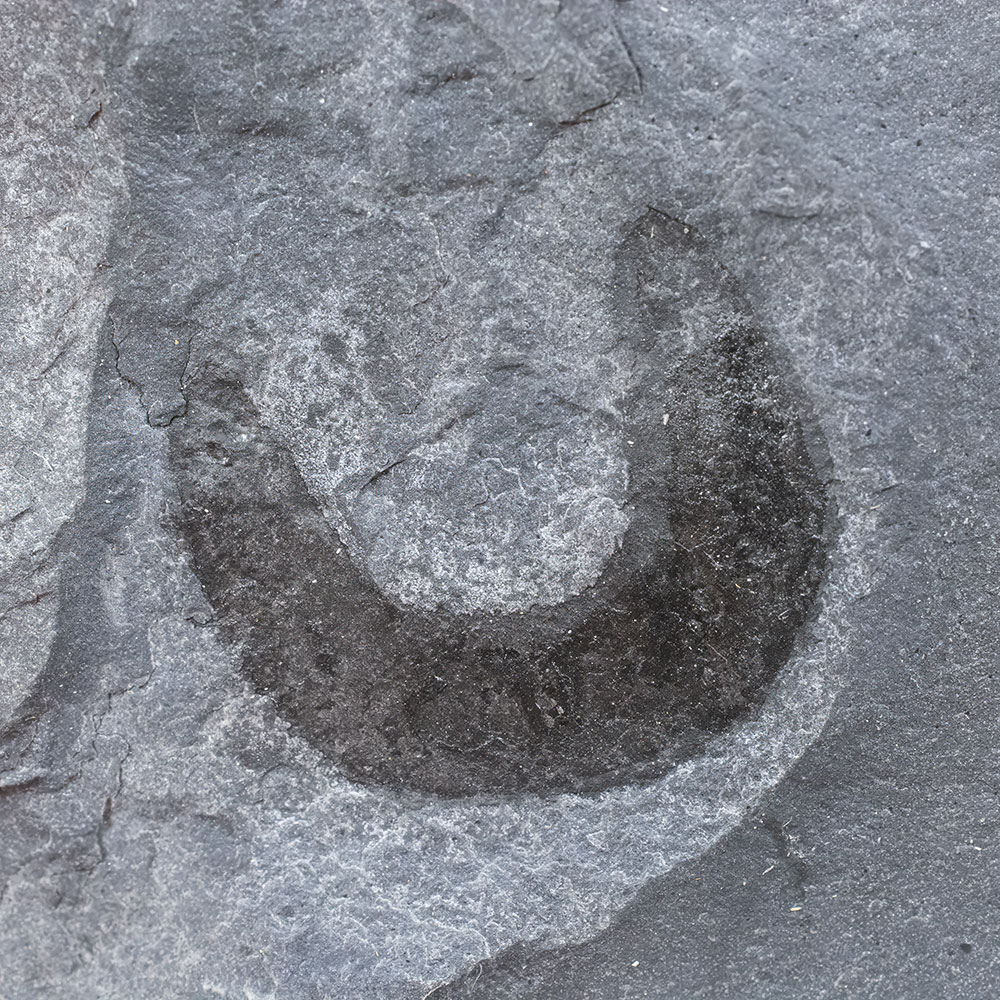
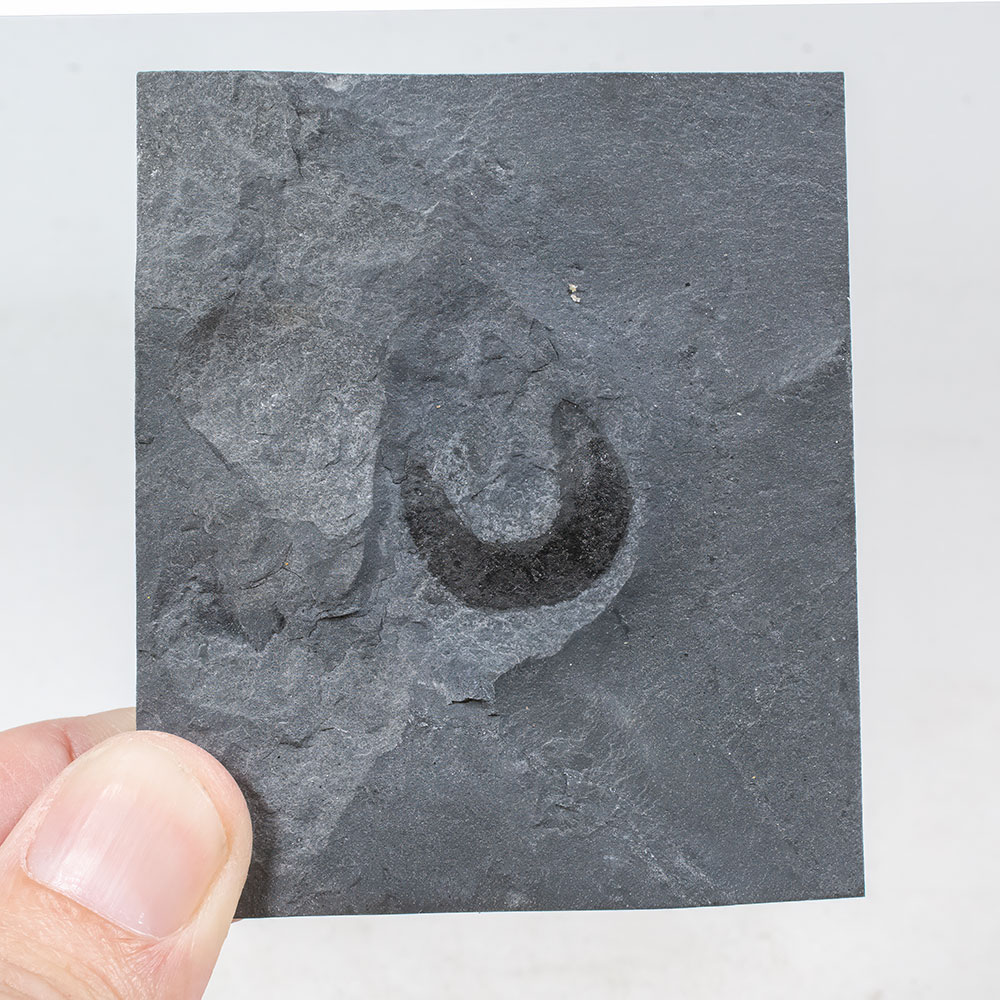
Ottoia sp.
Middle Cambrian
Wheeler Formation
House Range, Millard Co.
Utah, USA.
Ottoia was a predatory marine worm that lived during the Cambrian Period, about 505 million years ago. It is one of the best-known animals from the Burgess Shale of British Columbia.
Ottoia was a member of the priapulids, a group that still exists today. It was essentially a muscular, burrowing, predatory worm. The most famous species, Ottoia prolifica, was generally around 5–10 cm long, although its body could contract dramatically.
Its body had two main regions:
A long, muscular trunk
A retractable proboscis at the front
That proboscis was its primary feeding structure and could be extended outward like a telescoping tube. At its tip was a mouth surrounded by rows of tiny spines and teeth. When feeding, Ottoia could extend the proboscis, grab or rasp at prey, and then retract it back into the body.
It probably hunted small animals living on or within the seafloor, including other worms and small arthropods. One of the most remarkable pieces of evidence comes from fossils containing the remains of Hyoliths and other animals inside their digestive tracts.
This specimen is especially interesting because of its curved posture, preserving its typical position in life. It is also a rare example of a famous softbodied taxon that is primarily known from the world famous Burgess Shale in British Columbia, Canada.
Excellent 20mm (60mm on the curve) priapulid