

Description
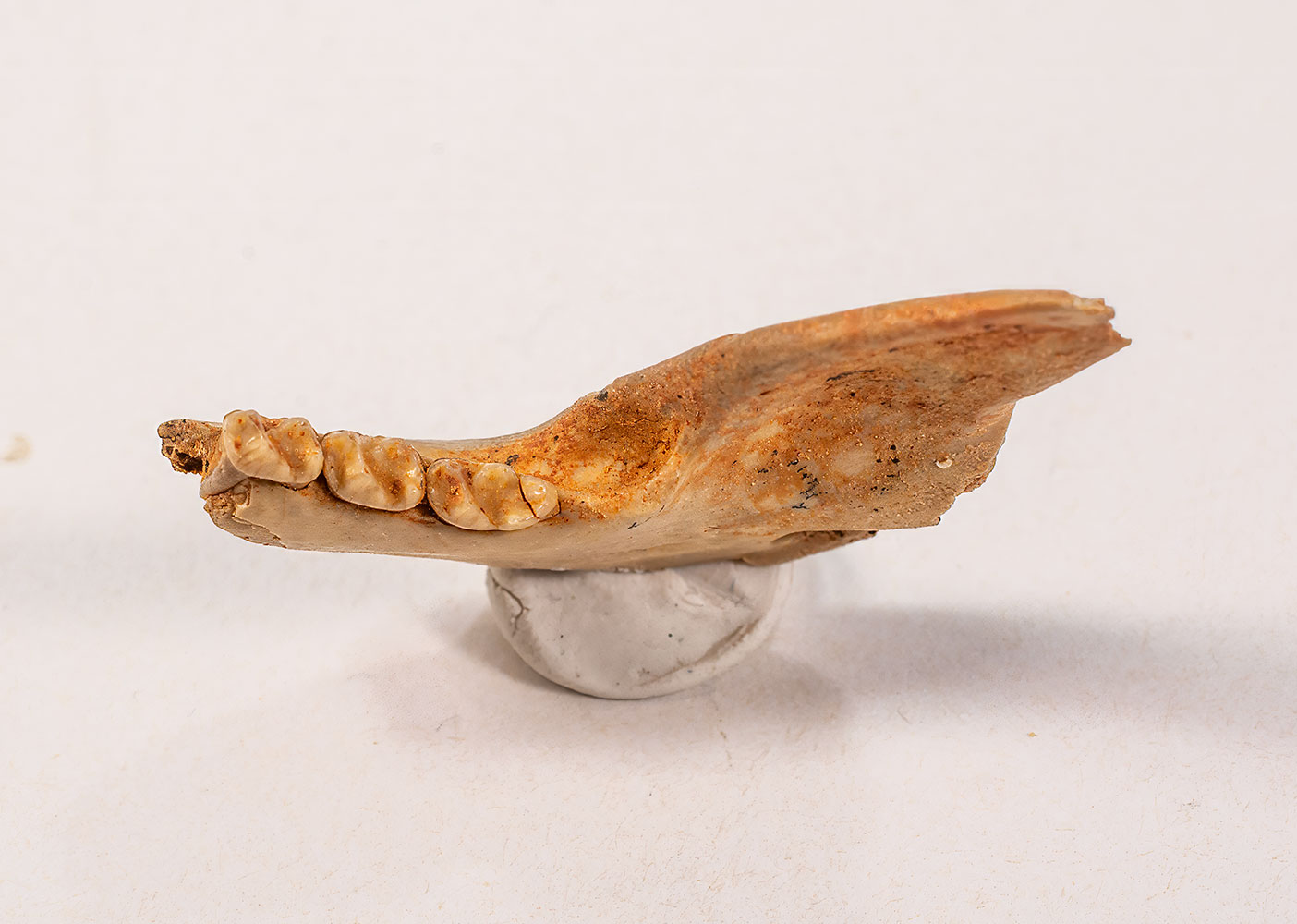
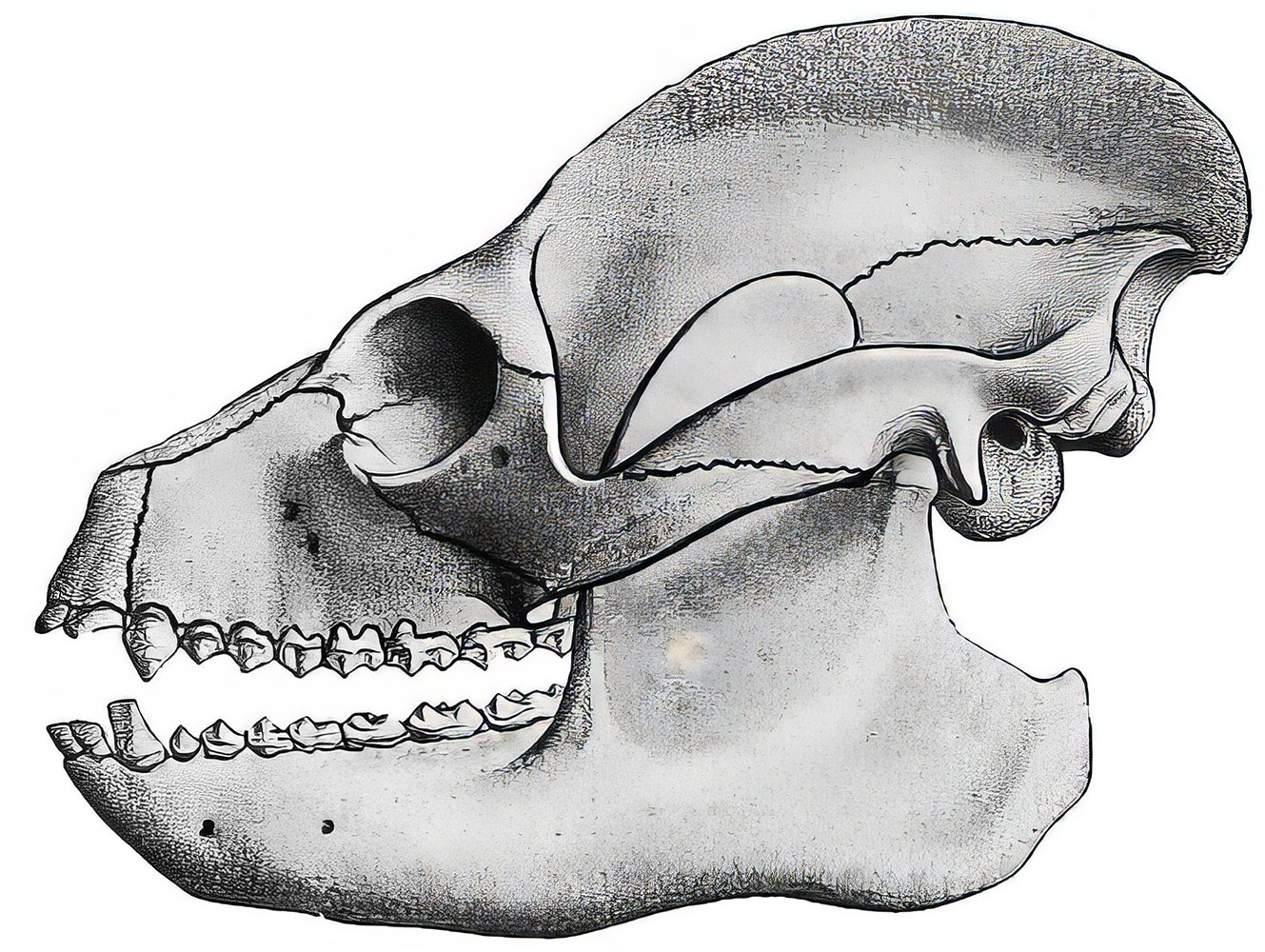
Adapis parisensis
Upper Eocene (Ludian)
Escan, Quercy
France
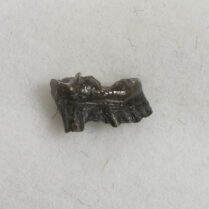
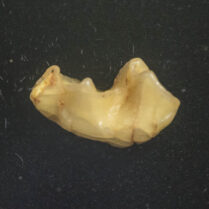
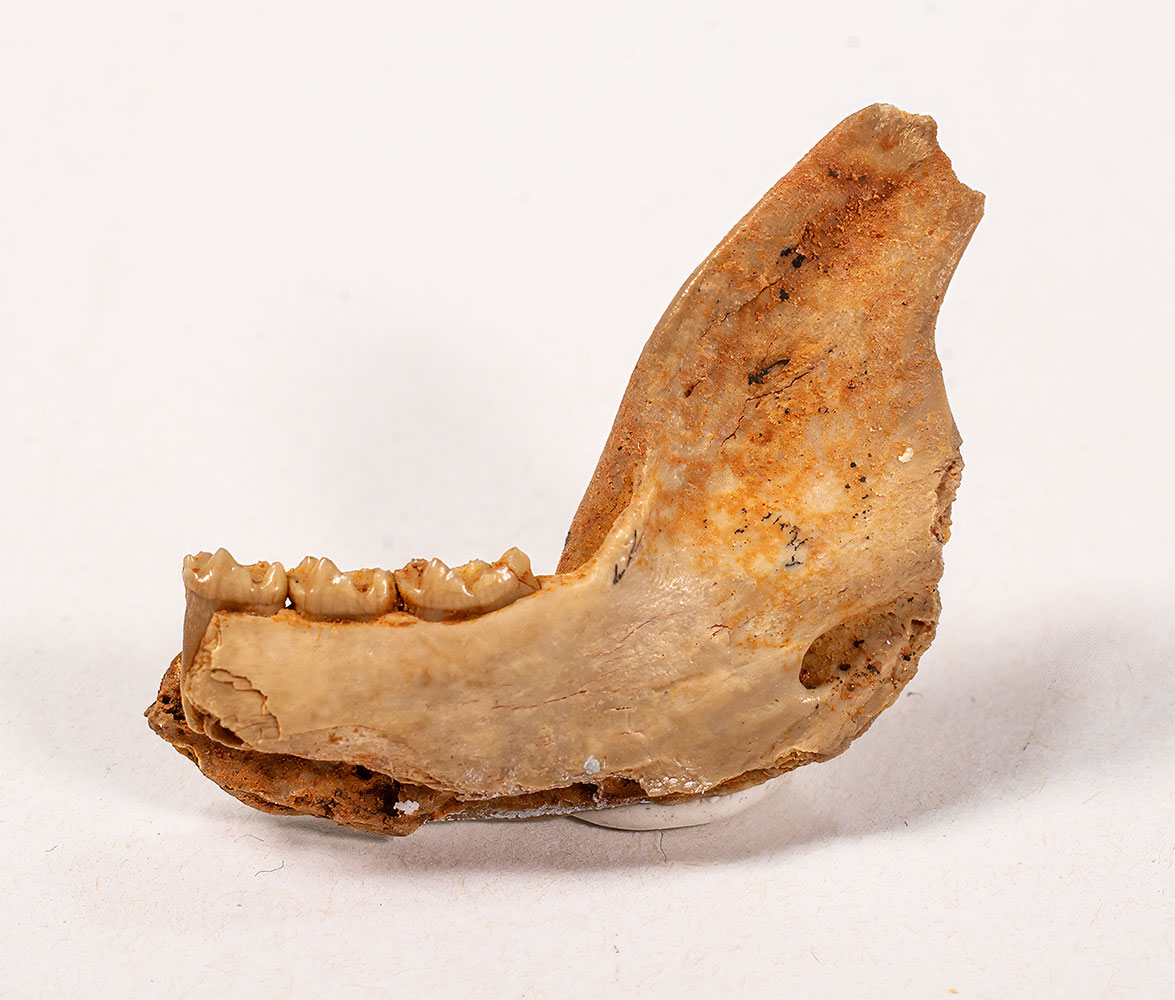
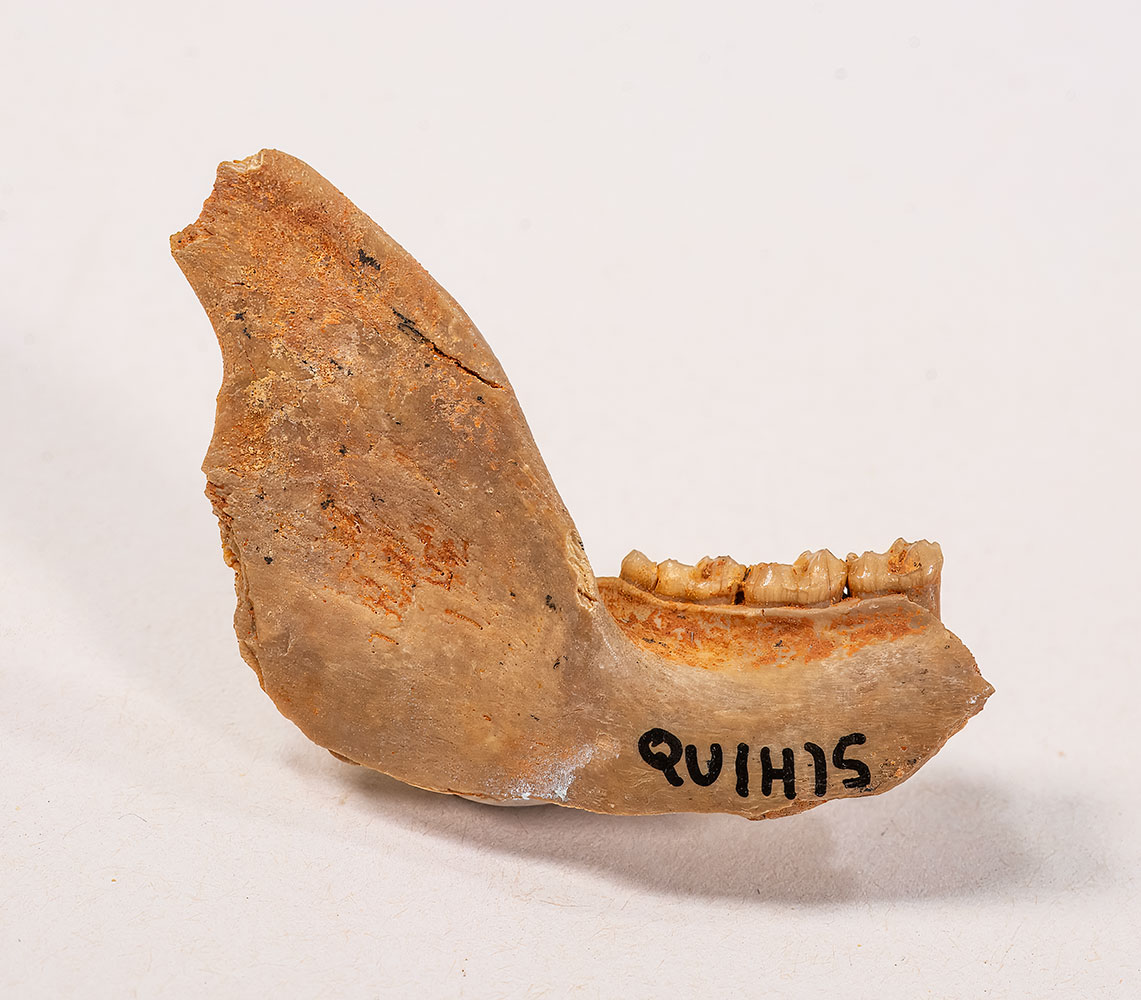
29mm x 28mm lower jaw with much of the mandibular ramus and three teeth
Adapis was a member of the Adapiformes, an extinct group of primate-like mammals that were particularly diverse during the Eocene. Adapis parisiensis was one of the best-known European adapiforms. Despite its superficial resemblance to a small monkey, it wasn’t a monkey or ape. Adapiforms are generally considered stem primates, meaning they are relatively close to the ancestry of living primates but fall outside the groups containing modern monkeys, apes, and lemurs.
Adapis parisiensis was approximately cat-sized, although estimates vary depending on the specimen and method used. Its overall body plan was somewhat lemur-like, although this doesn’t necessarily mean it was directly ancestral to lemurs.
Adapis was probably primarily arboreal, spending much of its time in the trees of the warm Eocene forests of Europe. Its grasping hands and feet would have helped it move through branches. Its relatively robust jaws and molars suggest that it was more adapted to folivory and relatively tough plant foods than many small modern primates. Unlike many modern primates, it probably wasn’t an especially agile, squirrel-like branch runner. Its anatomy suggests a more deliberate form of climbing and moving through the forest canopy.
Adapis is particularly interesting because it shows what some early primates looked like before the evolution of modern primate groups. The Eocene was a crucial period for primate evolution. Following the extinction of the non-avian dinosaurs, primates diversified considerably. Adapiforms became widespread across Europe, North America, and Asia. Adapis demonstrates that early primates already possessed several characteristics associated with life in trees, however, it lacked many of the specialized characteristics that characterize modern anthropoids (monkeys and apes).
Adapis parisiensis is particularly associated with France, and its fossils were important in nineteenth-century attempts to understand primate evolution. The name parisiensis essentially refers to its association with the Paris region. It lived during the Middle to Late Eocene, when Europe was considerably warmer and more forested than it is today.
One of the interesting things about Adapis is that it demonstrates how “primitive” primates weren’t simply primitive versions of modern monkeys. Adapiforms had their own evolutionary history and diversified into numerous ecological forms. Some looked superficially lemur-like, while others evolved relatively large bodies and specialized diets. So, rather than thinking of Adapis as “an early monkey,” it’s better to think of it as a member of an extinct branch of the early primate radiation.
See: Wikipedia – Adapis