

Description
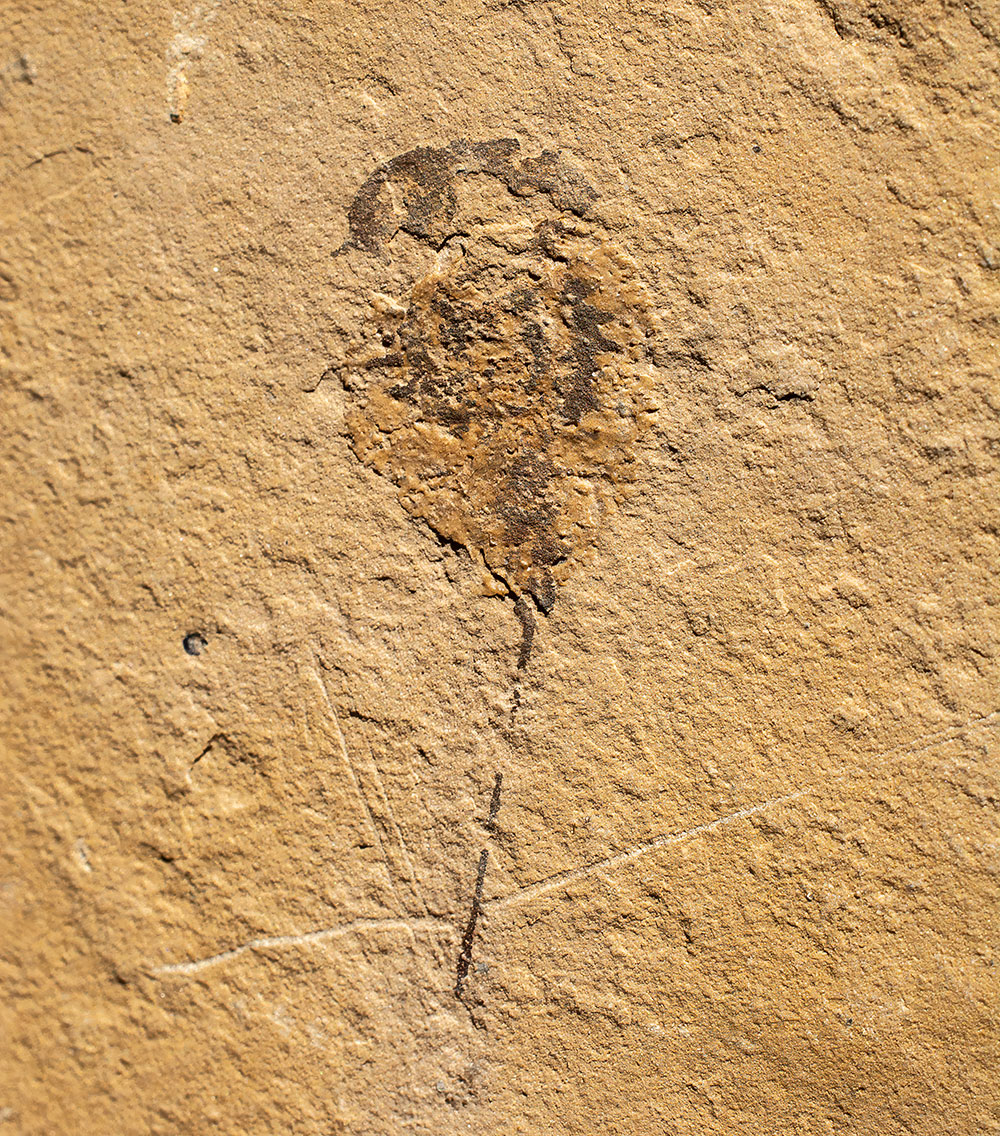
Synziphosurine Arthropod
Late Cambrian
Weeks Shale Formation
House Range Millard County
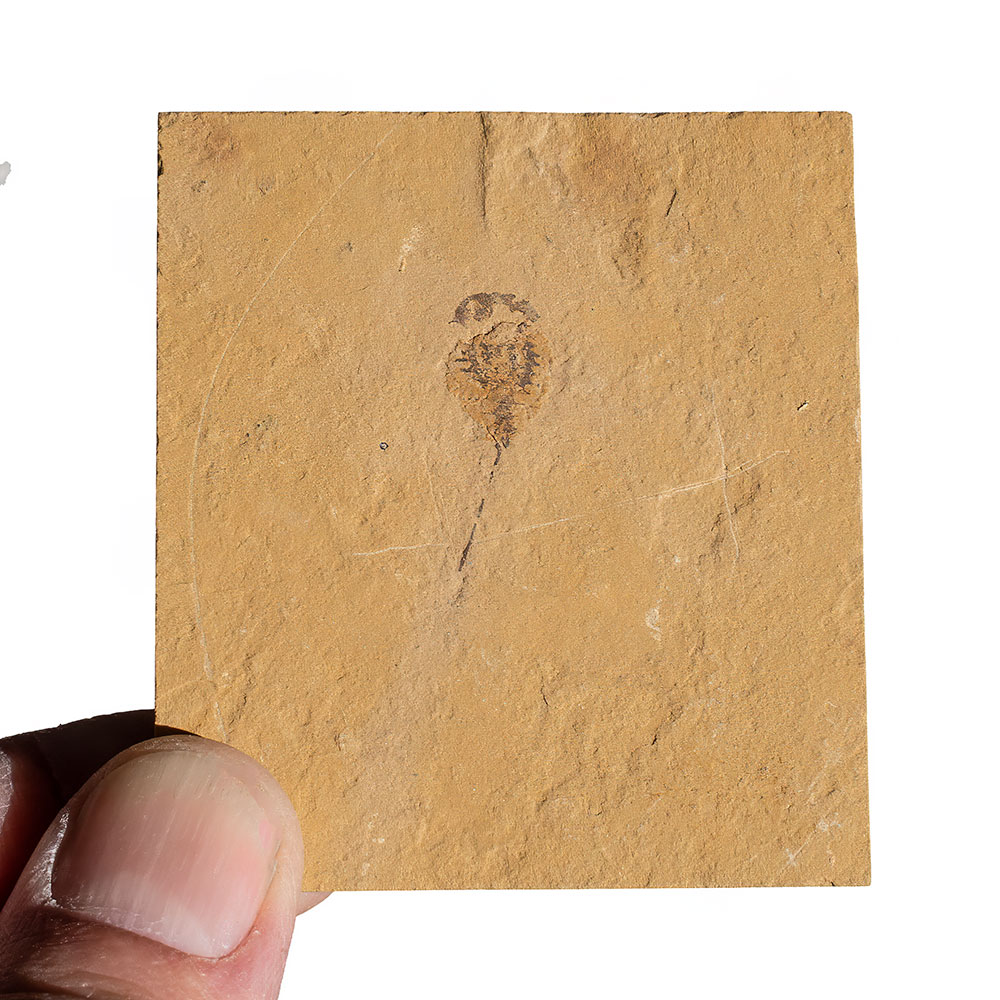
28mm synziphosurine arthropod on 65mm slab.
Synziphosurines are an extinct group of early chelicerate arthropods, considered close relatives of modern horseshoe crabs. Living from the Ordovician to Devonian periods, they had segmented bodies with a broad head shield and a long tail spine (telson). Unlike modern horseshoe crabs, their body segments were more distinct and flexible, reflecting a transitional stage in chelicerate evolution. Often found in marine sediments, synziphosurines are important for understanding the early history of arthropods and the origins of today’s arachnids and horseshoe crabs.