

Description
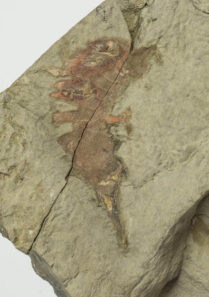
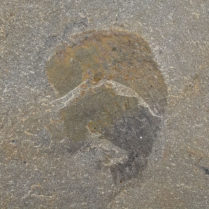
Arthropleura sp.
Mazon Creek Biota
Middle Pennsylvanian (Westphalian D)
Francis Creek Shale Member, Carbondale Formation
Will County, Illinois, USA
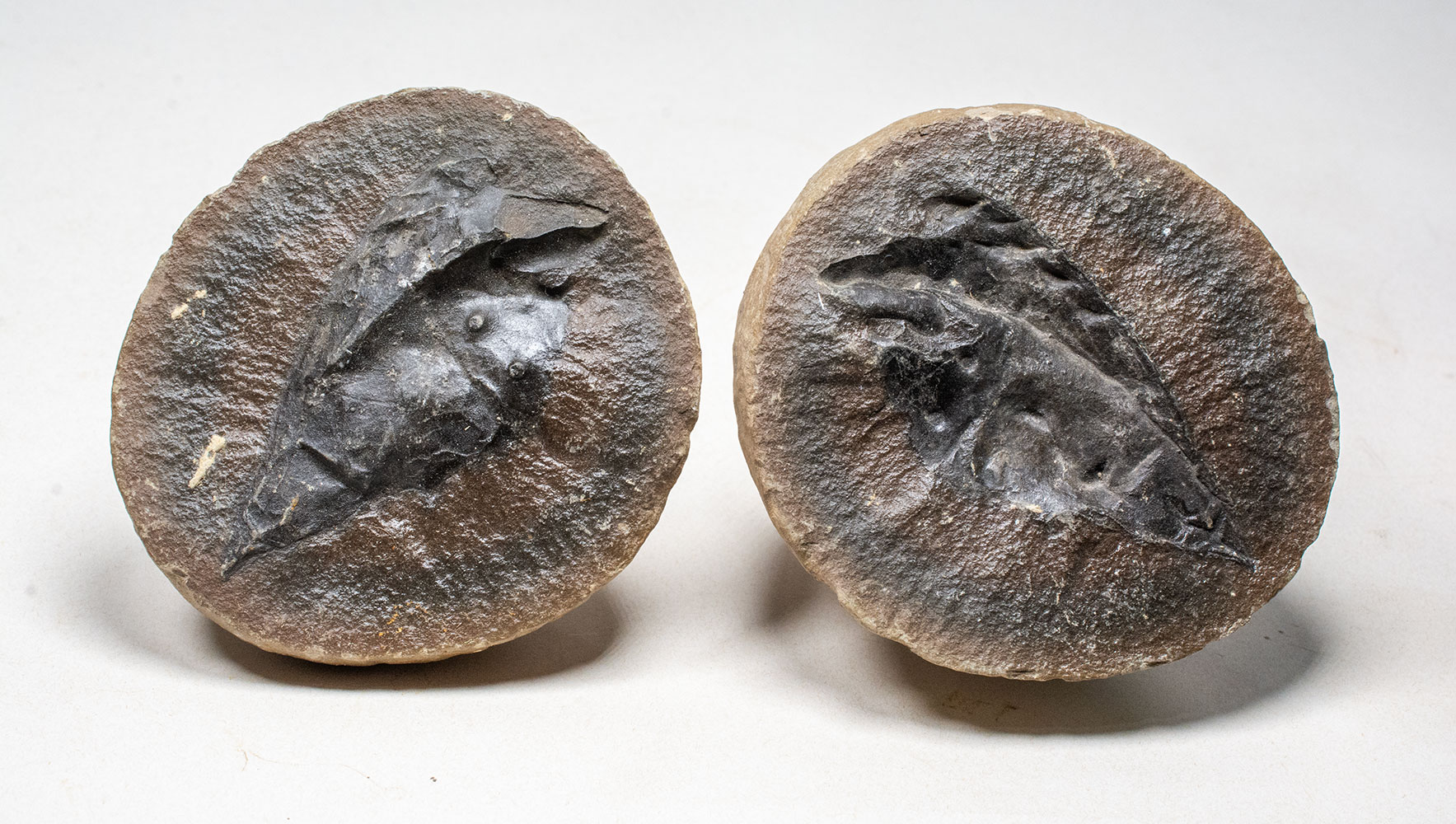
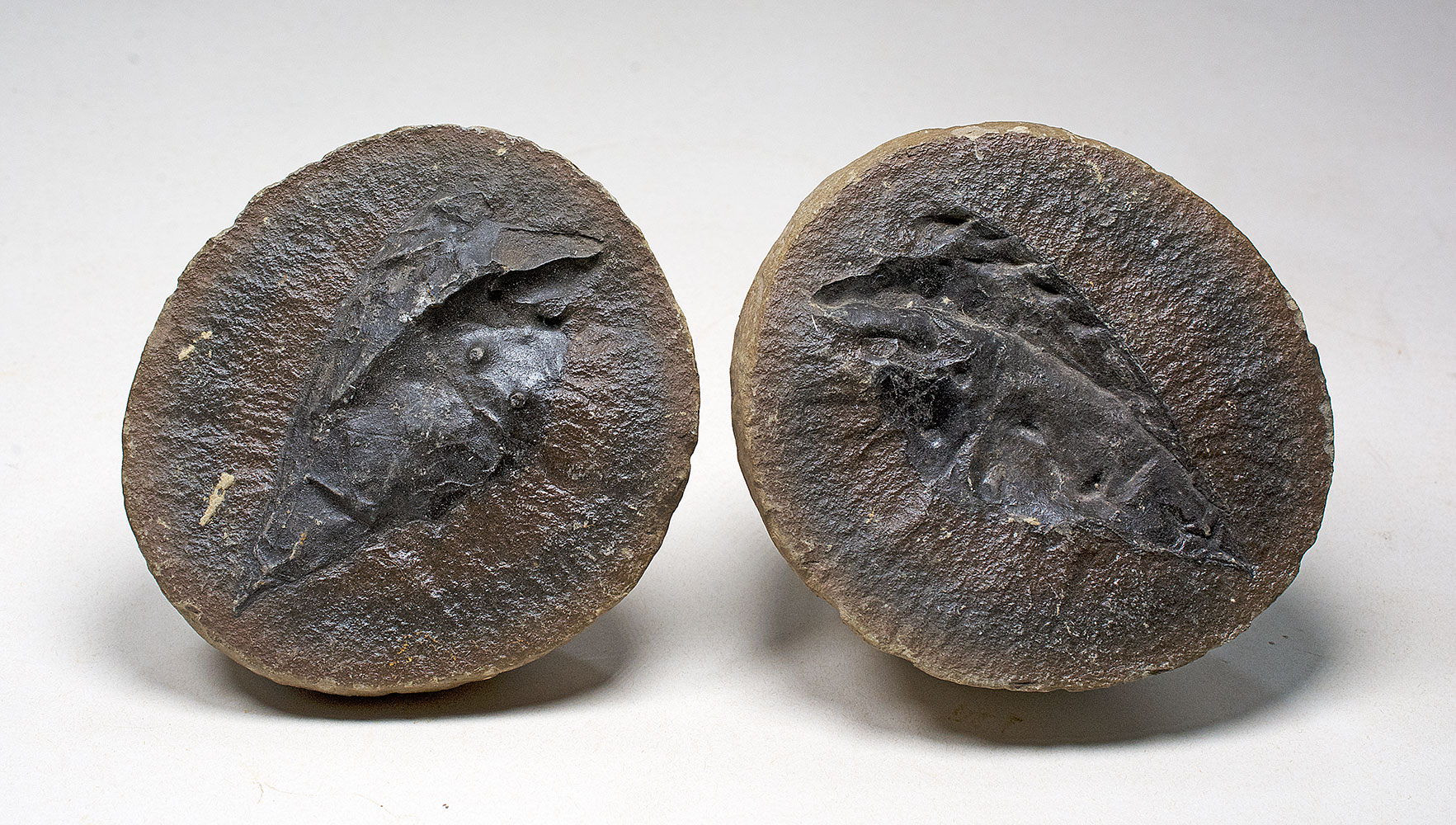
Big 81mm paired concretion with 65mm giant millipede tergite. Extremely rare.
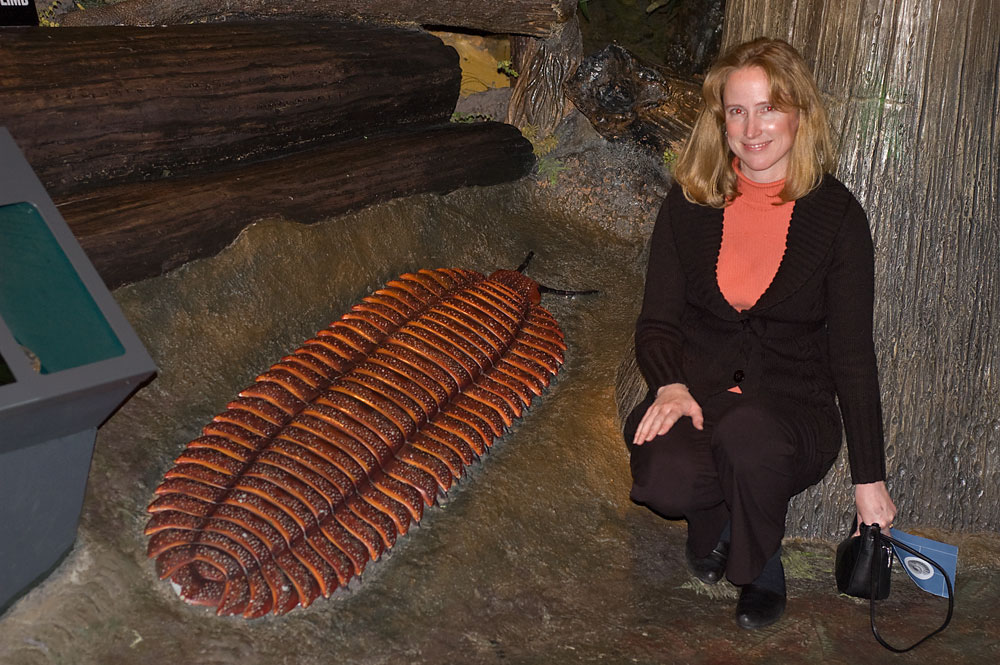
Arthropleura is an extinct genus of giant millipede-like arthropods, famous for being the largest land-dwelling invertebrates known to have ever lived.Arthropleura reached lengths of 2–2.7 meters (6.5–9 feet) and widths of over 50 cm (20 inches) with long, segmented body with rigid dorsal plates called tergites, many pairs of legs, and a flattened shape
For many years Arthropleura was thought to be a carnivore, but current evidence strongly indicates it was herbivorous or detritivorous, feeding on ferns, lycophytes and decaying plant matter. No definitive fossils show predatory mouthparts, and its jaw structure resembles plant-eating millipedes. Its enormous size was likely enabled by high atmospheric oxygen levels during the Carboniferous (up to ~35%), abundant plant biomass and a lack of large terrestrial vertebrate predators early in its history.
Fossils of arthropleura are always fragmented due to its enormous size. Specimens from Mazon Creek are extremely rare and almost never offered for sale.