

Description
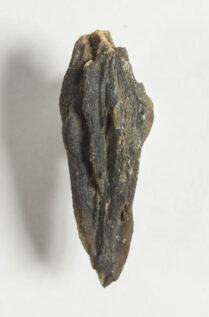
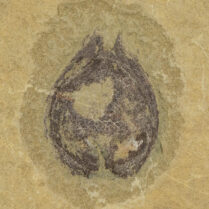
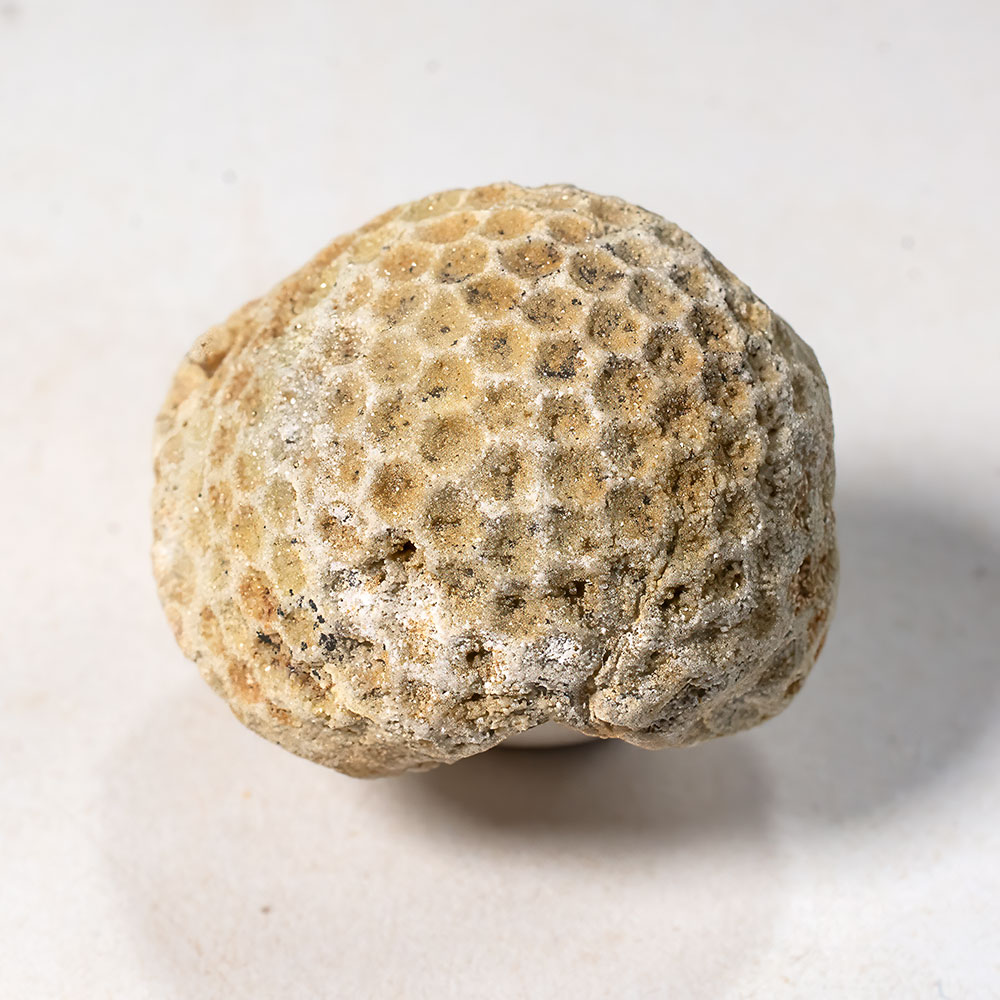
Dasyclade Algae-Cyclocrinities dactyloides
Silurian
Hopkington Formation – Farmers Creek Member
Jones County
Iowa, USA.
31mm dasyclade algae.
Cyclocrinites dactyloides is an extinct species of Dasyclad algae, a group of green algae that lived in shallow marine environments during the Silurian period (around 430 million years ago). These algae had a distinctive cylindrical, calcareous skeleton, often appearing in fossils as small, ringed or club-shaped structures.
Cyclocrinites dactyloides formed part of ancient reef and lagoon ecosystems, where it contributed to carbonate sediment production through its mineralized body. Its structure consisted of a central stem with radiating branches, typical of dasycladacean algae. Fossils of this species are important for paleoenvironmental reconstructions and biostratigraphy, helping scientists understand ancient marine conditions and date surrounding rock layers.
Though it resembles corals or other marine invertebrates at first glance, Cyclocrinites was a photosynthetic plant-like organism, playing a crucial role in Silurian marine ecosystems.
Dasyclade link“>article about Dasycladales